+92-21-32514321

The historical journey of casinos from ancient games to modern marvels
The historical journey of casinos from ancient games to modern marvels
Origins of Gambling in Ancient Civilizations
The journey of casinos can be traced back to ancient civilizations where games of chance were an integral part of social life. Archaeological findings indicate that the earliest forms of gambling appeared in Mesopotamia, around 3000 BC, where people played rudimentary dice games made from animal bones. These primitive games were not just for entertainment; they held cultural significance, often linked to religious rituals or community events. Today, people can experience this evolution by exploring platforms like PantherBet in South Africa, which highlights the progress from ancient pastimes to modern gaming.

Similarly, ancient China introduced games using tiles, leading to the invention of games resembling modern-day lottery systems. The Romans also embraced gambling, creating complex games involving betting on chariot races and gladiatorial contests. This early adoption of gambling laid the foundation for what would evolve into the structured gaming environments we recognize today.
The Rise of Formalized Gaming in the Middle Ages
The Middle Ages marked a significant turning point in the history of casinos. With the establishment of gambling houses in the Italian city-states, such as Venice, the concept of a casino began to take shape. The word “casino” itself originates from the Italian word meaning “little house,” reflecting the quaint settings where patrons gathered to play card games and other forms of betting.
During this period, gambling became more regulated, with governments recognizing the potential tax revenue from licensed gaming establishments. The development of games like baccarat and chemin de fer contributed to a growing interest in structured gambling, paving the way for future innovations in casino gaming.
Transformation in the 19th Century
The 19th century ushered in a new era for casinos, particularly with the opening of iconic establishments such as Monte Carlo Casino in Monaco. This venue not only popularized roulette but also showcased the lavish lifestyle associated with gambling. The glitzy environment attracted wealthy patrons and helped shape the modern perception of casinos as glamorous destinations.
Additionally, the 1800s saw the introduction of slot machines, which revolutionized gambling by providing a simple, automated way to place bets. This invention democratized casino gaming, allowing more people to participate without requiring extensive knowledge of complex games. As a result, casinos began to flourish worldwide, evolving into vibrant entertainment hubs.
The Digital Revolution: Online Casinos
The advent of the internet in the late 20th century marked a monumental shift in the casino landscape. Online casinos began to emerge in the mid-1990s, bringing gambling into the digital realm. Players could now access a wide array of games from the comfort of their homes, significantly expanding the audience and accessibility of gambling.
Online platforms introduced innovations such as live dealer games, which replicate the atmosphere of a physical casino while allowing remote participation. This evolution not only catered to a growing demand for convenience but also increased engagement through interactive features and bonuses, thus reshaping the gambling experience for millions globally.
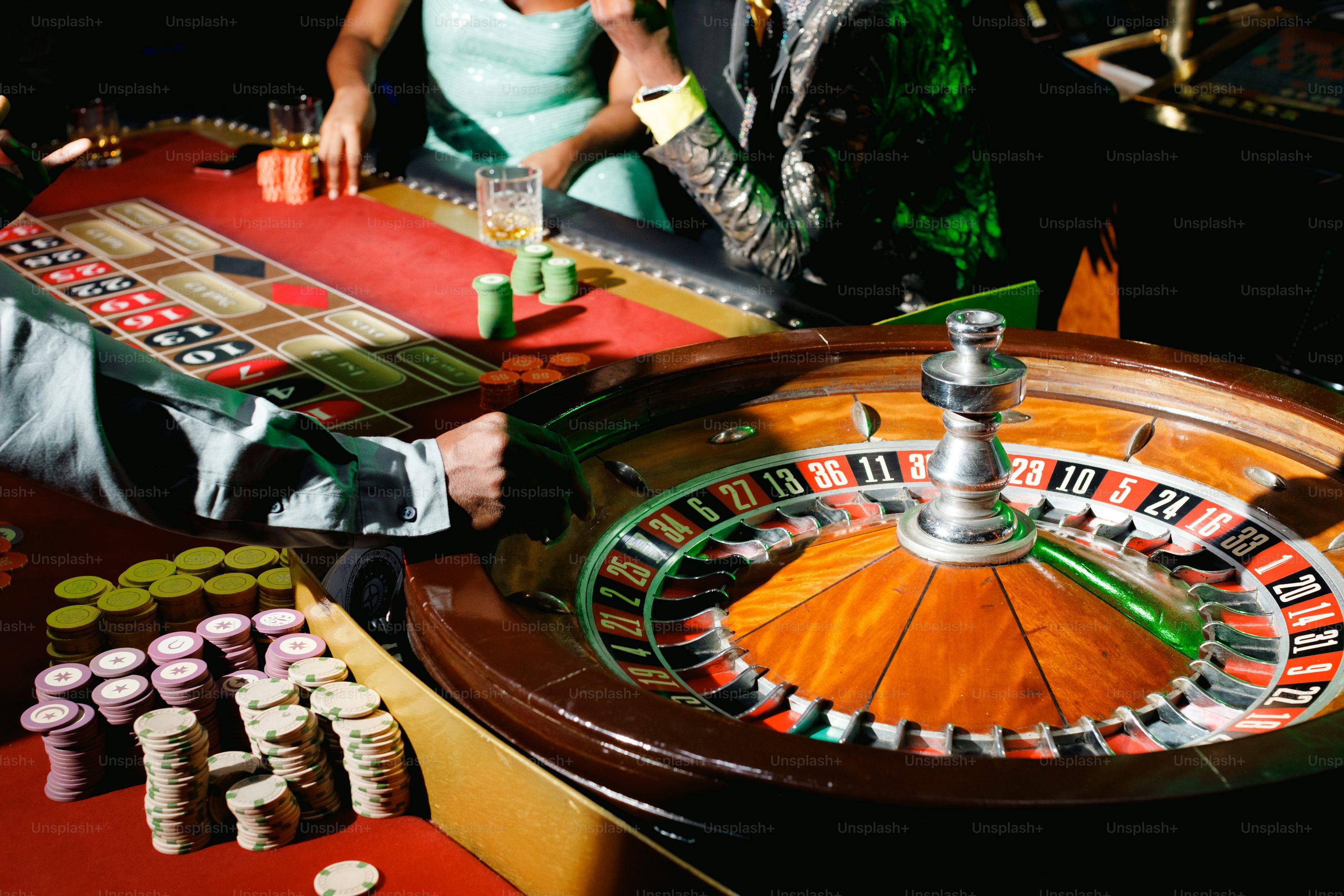
Modern Casinos: The Best of Both Worlds
Today, the casino industry encompasses both brick-and-mortar establishments and online platforms, each offering unique experiences. Physical casinos have adapted to modern expectations by enhancing their amenities, incorporating high-end dining, entertainment, and immersive gaming environments. They focus on providing an all-encompassing social experience that cannot be replicated online.
On the other hand, online casinos continue to innovate with advanced technology and gamification elements, creating engaging and personalized experiences for users. Platforms like PantherBet exemplify this trend, providing a diverse range of games and features tailored to meet the demands of contemporary players. As the industry evolves, the balance between traditional and digital gaming ensures that casinos remain relevant and appealing to a broad audience.