+92-21-32514321

The journey of gambling A historical evolution through time
The journey of gambling A historical evolution through time
Ancient Origins of Gambling
The roots of gambling can be traced back to ancient civilizations, where games of chance served not only as entertainment but also held significant cultural and social importance. Archaeological findings reveal that as early as 3000 BC, the Chinese were engaging in activities resembling gambling with rudimentary dice made from animal bones. Similar practices appeared in Mesopotamia, where clay tablets recorded betting activities on various games. In today’s context, engaging in a form that offers the best online casino experience reflects how far we have come from these early practices.
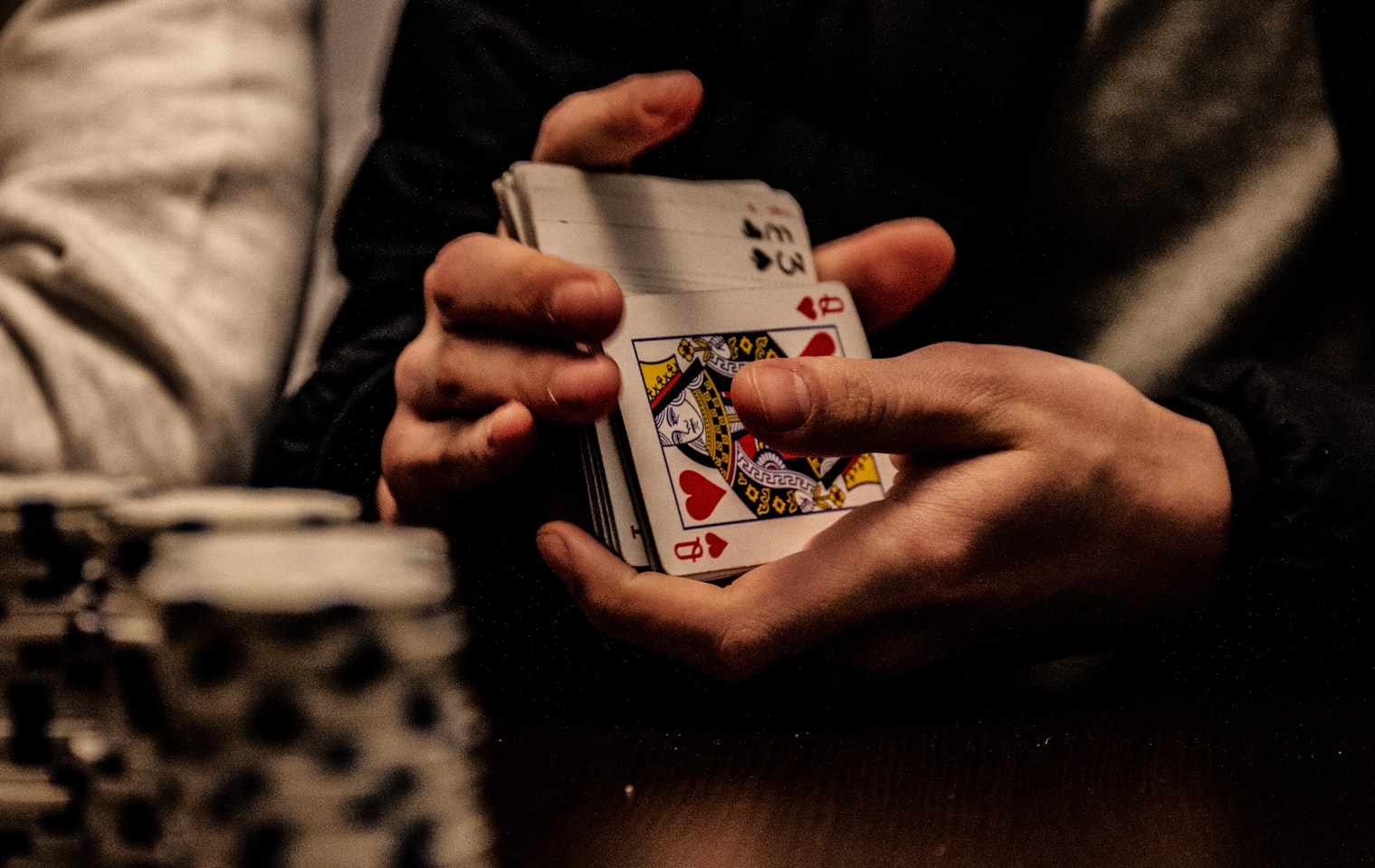
In ancient Rome, gambling was commonly associated with social gatherings and festivities. The Romans enjoyed a variety of games, including dice and betting on chariot races. These early forms of gambling laid the groundwork for more organized and elaborate gambling practices that evolved in later centuries, reflecting the cultural values and societal norms of their time.
The Middle Ages and the Rise of Gambling Houses
During the Middle Ages, gambling experienced a transformation as it became intertwined with the rise of gambling houses in Europe. These establishments emerged as dedicated spaces for wagering on various games, including card games and dice. This era marked the transition from informal gambling among friends to more structured, commercialized gambling experiences.
Notably, the introduction of playing cards from Asia led to the creation of numerous card games that became immensely popular across the continent. The gambling houses established rules and regulations, aiming to ensure fairness and attract more patrons. This development reflected a growing acceptance of gambling within society, as it became a part of the fabric of social life in many European regions.
The Age of Enlightenment and Regulation
The Age of Enlightenment brought significant changes to gambling, as intellectual movements began to scrutinize and regulate the practice. By the 18th century, many countries in Europe, including France and England, established legal frameworks to control gambling activities. This period saw the birth of state-run lotteries, which were initially implemented to fund public projects and social welfare programs.
Furthermore, this era also witnessed the formation of the first official casinos, where patrons could engage in various games legally. The regulation of gambling aimed to curb illegal betting activities and protect vulnerable populations from the potential harms of addiction. This complex relationship between regulation and gambling would continue to evolve, reflecting societal attitudes and economic interests.
Modern Gambling and Technological Advances
The 20th century marked a significant turning point in the evolution of gambling, driven by technological advancements and globalization. The introduction of electronic gaming machines, such as slot machines, revolutionized the gambling landscape, making it accessible to a broader audience. Las Vegas emerged as a gambling hub, attracting tourists from around the world seeking entertainment and excitement.
In recent decades, online gambling has further transformed the industry, allowing players to engage in betting activities from the comfort of their homes. The rise of the internet has led to an explosion of online casinos and sports betting platforms, reflecting changing consumer preferences and lifestyles. As technology continues to advance, the gambling landscape will likely keep evolving, presenting both opportunities and challenges.

Conclusion and Insights on Gambling’s Evolution
The journey of gambling has been a dynamic and multifaceted evolution, shaped by cultural, social, and technological factors throughout history. From its ancient origins to modern online platforms, gambling has adapted to meet the needs and interests of society, reflecting broader changes in human behavior and values.
As we navigate this complex landscape, it is essential to recognize the balance between entertainment and responsible gambling practices. The evolution of gambling continues to unfold, promising new developments and insights that will shape its future in an ever-changing world. Understanding this journey can provide valuable context for today’s gaming culture and its implications for individuals and society as a whole.