+92-21-32514321

Understanding the psychology behind gambling behaviors and decision-making
Understanding the psychology behind gambling behaviors and decision-making
The Nature of Gambling Attraction
The allure of gambling can be traced to a combination of psychological, social, and environmental factors. Many individuals are drawn to the thrill of uncertainty, which gambling inherently provides. The prospect of winning, combined with the adrenaline rush from risk-taking, creates a compelling experience that can be hard to resist. This blend of excitement and potential reward plays a significant role in motivating people to engage in gambling activities, including slot sites.
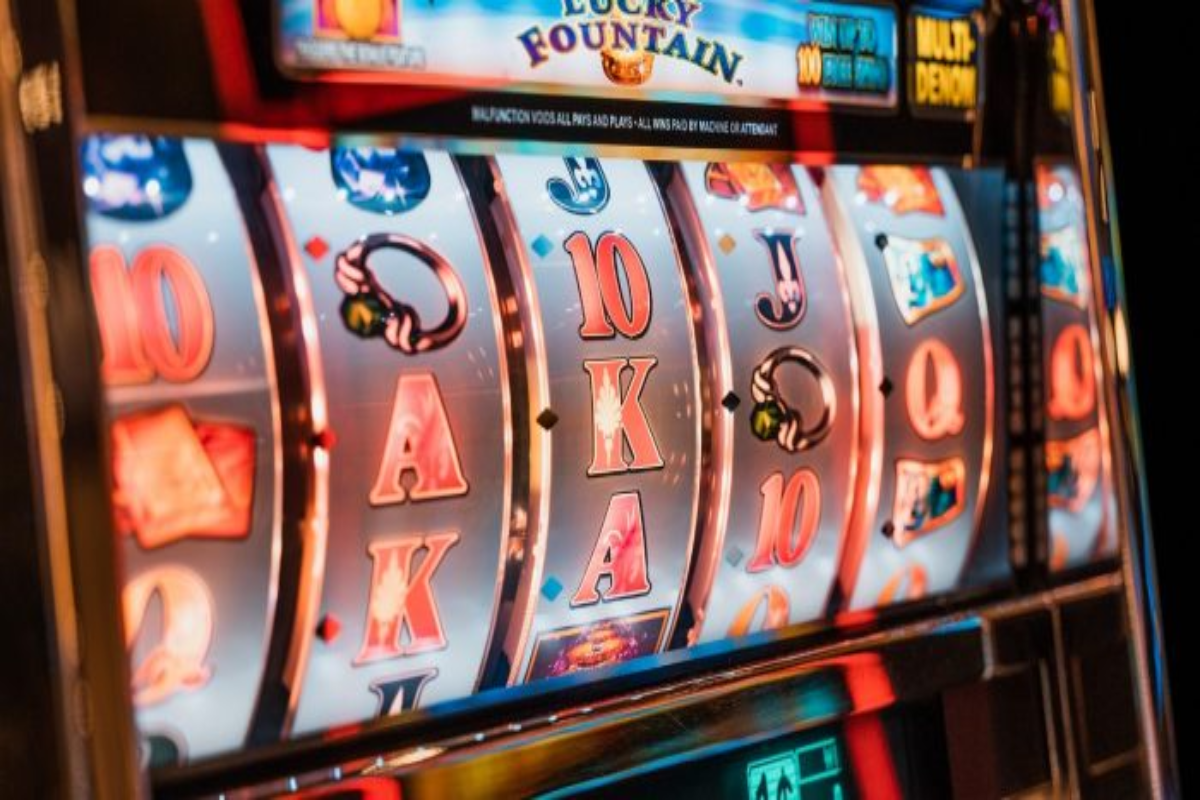
Additionally, cultural perceptions of gambling can shape individual attitudes towards it. In some cultures, gambling is viewed as a form of entertainment, while in others, it may carry a stigma. These varying perspectives can influence how individuals approach gambling and their likelihood of participating in it. Understanding these cultural dimensions is crucial in comprehending the broader context of gambling behaviors.
Cognitive Biases in Gambling Decisions
Cognitive biases significantly affect how individuals make decisions when it comes to gambling. For example, the illusion of control leads many gamblers to believe they can influence the outcome of games of chance, such as slot machines or roulette. This belief can encourage them to gamble more frequently, despite the inherent randomness of these games.
Moreover, the availability heuristic, where individuals overestimate the likelihood of winning based on recent experiences, further perpetuates gambling behavior. When individuals hear about big winners, they may feel encouraged to participate, despite statistical evidence suggesting otherwise. These cognitive biases can create a cycle of gambling that is difficult to break.
Emotional and Social Influences
Emotions play a crucial role in gambling behaviors. Many individuals turn to gambling as a means of coping with stress, anxiety, or boredom. The temporary escape that gambling provides can be appealing, leading individuals to engage in these activities more frequently. This emotional component is particularly pronounced among vulnerable populations, who may use gambling as a maladaptive coping mechanism.
Furthermore, social influences cannot be overlooked. The presence of friends or family members who gamble can normalize the behavior and make it more acceptable. Social environments, such as casinos or online platforms, can also contribute to a sense of community among gamblers, reinforcing their behavior through shared experiences and interactions.
The Role of Rewards and Reinforcement
The psychological principles of reward and reinforcement are foundational to understanding gambling behavior. The intermittent reinforcement schedule, where rewards are given at unpredictable intervals, keeps gamblers engaged and hopeful of future winnings. This unpredictability enhances the excitement and can lead to repeated gambling attempts, as individuals often chase losses in hopes of hitting it big.
Additionally, positive reinforcement from wins, no matter how small, can create a strong desire to continue gambling. This phenomenon can lead to habitual gambling, where the act itself becomes ingrained in an individual’s routine and lifestyle, making it challenging to break free from the cycle of gambling.

Conclusion and Resources
Understanding the psychology behind gambling behaviors and decision-making is essential for both individuals and professionals working in mental health and addiction fields. By recognizing the various psychological, emotional, and social influences, strategies can be developed to address problematic gambling behavior effectively.
For those interested in exploring further, various resources and tools are available online to support responsible gambling practices and provide insights into the complexities of gambling psychology. Engaging with these resources can foster a greater understanding and promote healthier decision-making in gambling activities.