+92-21-32514321

Why Buying in Volume Cuts Your Cost Per Round Dramatically
Bulk Ammo Buying Guide: How to Save Big on Your Next Ammo Order
You can often cut your per-round cost by 20–40% just by buying a single case of 500 or 1,000 rounds instead of a few boxes at a time. Bulk ammo is simply the same factory-loaded cartridges you’d buy individually, but packed in larger quantities for range sessions or long-term storage. Because the rounds are identical to boxed ones, they feed and fire exactly the same in your firearm—no special handling or extra gear needed. Just store them in a cool, dry spot and grab what you need for specialty sports the day, leaving the rest sealed until you’re ready to shoot.
Why Buying in Volume Cuts Your Cost Per Round Dramatically
Buying bulk ammo flips the economics of shooting in your favor because the cost per round drops dramatically with volume. Manufacturers and retailers price boxes of 20 at a premium to cover packaging, handling, and per-unit shipping, but a 500 or 1,000-round case strips away those overheads. You’re essentially paying for the projectile, powder, and primer—not the cardboard and labor. Shipping is also a hidden win: one heavy case costs far less per round than five separate small boxes shipped individually.
The sweet spot is usually around 500 rounds, where you often save 15–25% versus buying 20-round boxes at retail.
That saving compounds every time you train, so a single bulk purchase can effectively fund extra range time or a few hundred more practice shots without stretching your budget.
How Bulk Pricing Tiers Work and Where the Real Savings Kick In
Bulk ammo pricing typically scales through distinct tiers, often starting at 100, 250, 500, and 1,000 rounds. The first jump, from a single box to a 100-round pack, usually cuts cost per round by 5–10%, but the real per-round savings kick in at the 500-round tier. At this level, manufacturers shift from retail packaging to bulk cases, lowering per-unit handling and shipping costs. The 1,000-round tier often yields the lowest price floor, but gains shrink after 500 rounds, sometimes only 1–2% better. Check price-per-1000, not total price, to compare tiers accurately.
Calculating True Savings: Price Per Round vs. Sticker Price
The true value of bulk ammo pricing emerges only when you divide the total cost by the number of rounds, not by glancing at the sticker price. A 500-round case at $250 shows a $0.50 per round cost, while a 50-round box at $30 appears cheaper but runs $0.60 per round—a 20% hidden premium. Calculate per-round cost by including shipping, taxes, and any hazmat fees in the numerator, then compare across quantities. Sticker prices mislead because they embed packaging and per-unit handling costs that shrink with volume. Always recompute after adding your specific fees, as a seemingly higher bulk total often yields the lowest cost per round.
Per-round math, not the box price, reveals true savings; always 7mm-08 Ammo for Sale divide final delivered cost by total cartridge count.
Common Calibers Where Volume Discounts Shine the Brightest
The biggest savings on bulk ammo pop up with calibers shooters burn through fastest. 9mm volume discounts shine the brightest because range sessions go through hundreds of rounds, and retailers stack deep pallets of it, so you’ll often see the cost per box drop noticeably at the 500 or 1,000-round mark. .223 Remington and 5.56 NATO follow close, perfect for rifle drills where ammo disappears quick. .22 LR is another standout—buy a brick of 500 or 1,250 and the price per round becomes almost trivial. For handgun fans, .45 ACP and 9mm both reward bigger orders, but watch for the sweet spot:
- Start with 500 rounds of your primary caliber
- Check the per-round price jump at 1,000 rounds
- Stock up only when the discount crosses 10–15%
Stick to these common calibers, and the savings feel real without overthinking exotic loads.
What to Check Before You Commit to a Large Ammunition Order
Before committing to a bulk ammo order, first verify lot number consistency—mixed lots can cause point-of-impact shifts, so request a single production run. Check the cartridge overall length against your firearm’s magazine and chamber, as bulk-packed rounds sometimes vary more than boxed ammo. Inspect the primer sealant and case neck tension by sampling a few rounds; loose bullets or cracked necks indicate poor storage. Confirm the projectile weight and velocity match your existing zero, especially if you’re buying for precision work. Finally, calculate the cost per round including shipping—bulk deals hide fees—and test 50 rounds before buying thousands. Always verify the ammo’s manufacturing date, as old stock can suffer from degraded powder, even if stored properly.
Reading Lot Numbers and Headstamps on Bulk Packaging
Before finalizing a bulk ammo purchase, inspect the lot numbers printed on cases and boxes—they reveal production batches, allowing you to verify consistency in powder charge and projectile weight across every round. A single lot ensures uniform performance, while mixed lots can cause point-of-impact shifts. Simultaneously, check the headstamps on a sample cartridge; these stamped markings identify the manufacturer, caliber, and sometimes the year of production. If the headstamp is faint, mismatched, or unfamiliar, reject the packaging, as it signals either counterfeit goods or questionable quality control. Cross-referencing lot numbers with headstamps confirms that the bulk Rimfire Ammo for Sale ammo is authentic and safe to fire, eliminating surprises before you commit your cash.

Reading lot numbers and headstamps on bulk packaging verifies batch consistency, authentic manufacturer identity, and caliber accuracy—protecting you from dangerous mismatches and wasted money.
New Production vs. Surplus: What You’re Actually Getting
When ordering bulk ammo, the distinction between **new production vs. surplus** determines both performance predictability and case integrity. New factory loads offer uniform headstamps, consistent powder charges, and virgin brass that reloads reliably; surplus, by contrast, often comes from decades-old military stockpiles, so you may get corrosive primers, mixed headstamps, or annealed necks that crack after one firing. Check the lot year and storage conditions—surplus can be perfectly accurate but may exhibit hard primers in bolt guns or reduced velocity due to propellant degradation. For defensive or competition use, new production ensures same-lot ballistics, while surplus suits plinking if you verify a clean burn and non-corrosive designation before committing to thousands of rounds.
New production guarantees uniformity and reloadable brass; surplus trades cost savings for potential corrosion, mixed lots, and aging propellant—always verify primer type and case condition before bulk purchase.
Sealed Cans, Cardboard Boxes, and Loose Packs: Packaging Tradeoffs

Sealed cans, typically military surplus, offer the best long-term moisture and contaminant protection, making them ideal for indefinite storage but adding weight and per-round cost. Cardboard boxes, often the standard for factory bulk ammo, are lightweight and easy to stack, yet they leave rounds exposed to humidity and require a separate dry storage container to prevent corrosion. Loose packs, while the most economical per round, accelerate bullet setback and case damage from jostling, demanding immediate transfer into rigid magazines or ammo cans. For a large order, your choice hinges on turnover: corrosion-resistant sealed cans justify a premium for slow rotation, while high-volume shooters benefit from cheaper cardboard or loose variants, assuming you can manage environmental risks.
Smart Storage Practices for Long-Term Bulk Ammunition Holdings
My grandfather’s tin of .303 rounds, stored in a damp shed for a decade, came out speckled with green corrosion—a lesson I’ve never forgotten when stacking my own bulk ammo. For long-term holdings, I now treat the crate like a vault: each cardboard box stands upright, not stacked flat, so the primer pressure stays even and the case walls don’t distort. I add silica gel packs, replaced every six months, and seal the whole lot in a heavy-duty plastic tote with a rubber gasket, then lift it six inches off the concrete floor on wooden pallets. Temperature swings are the silent killer, so I keep the totes in a north-facing closet where it never exceeds 75°F. Inside, I rotate by marking the purchase date on every third box; the oldest goes to the range first. Smart storage isn’t about hiding ammo—it’s about controlling moisture, pressure, and time. Q: Why do I avoid stacking boxes flat? A: Because the weight of upper layers can crush lower case rims over years, causing extraction failures when you finally need that bulk ammo to run flawlessly.
Controlling Humidity and Temperature to Prevent Corrosion
For bulk ammo, controlling humidity and temperature to prevent corrosion hinges on maintaining a stable environment below 50% relative humidity, ideally 30–40%. Use a digital hygrometer inside each sealed container, not just the room, because microclimates form inside ammo cans. Silica gel desiccant sachets actively absorb moisture, but recharge them by oven-drying at 250°F for two hours when they approach saturation. Temperature swings accelerate condensation, so store containers in a climate-controlled space—aim for a consistent 60–70°F. Avoid attics or garages where diurnal shifts push dew points above the metal’s surface temperature. For long-term holds, vacuum-seal ammunition with oxygen absorbers, then place the sealed bag inside a rigid container Shotgun Ammo for Sale with desiccant; this triple-layer approach isolates cartridges from both airborne moisture and thermal cycling. Inspect seals quarterly and replace any desiccant that shows color-change indicators.
Rotating Your Stockpile: First-In, First-Out Usage Tips
For bulk ammunition, first-in, first-out (FIFO) rotation prevents age-related primer and powder degradation. Date every case with a permanent marker upon arrival, then store newest acquisitions behind older boxes. When pulling range ammo, reach to the back or bottom of your shelf and work forward—never dip Ammunition for Sale into fresh stock while aged rounds remain. Quarterly, physically inspect your oldest lot; if primers show green corrosion or case tarnishing, move those cartridges to the front for immediate use. A simple logbook or spreadsheet tracking purchase dates and lot numbers ensures you burn through pre-2020 stock before newer batches. Rotate by weight: heavier crates on lower shelves get used first, lessening the chance of forgotten buried cache. This discipline keeps your entire inventory uniformly functional, avoiding the scenario where a decade-old box fails at the range.
How to Organize Crates, Ammo Cans, and Shelf Labels for Quick Access
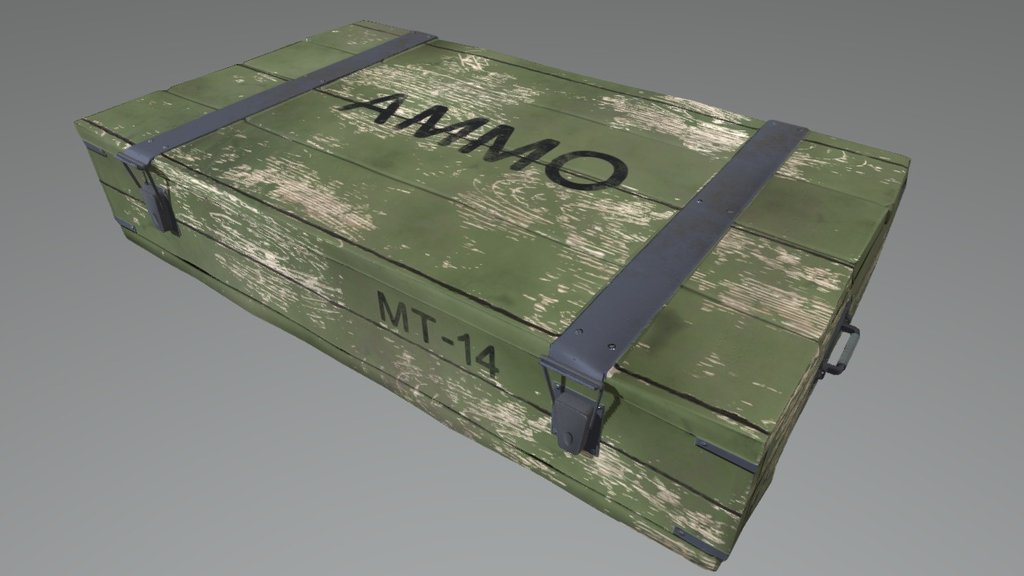
For rapid bulk ammo retrieval, assign each caliber a dedicated crate and ammo can, then standardize the labeling system. Place the most frequently used calibers on middle shelves, at waist-to-chest height, while stacking heavier crates on lower tiers to prevent strain. Use clear, waterproof labels on the front and top of every can—include caliber, grain weight, and lot number—and mirror these on the shelf edge using a color-coded tag. Arrange labels alphabetically or by caliber size, always left-to-right, so your eyes trace a predictable path. Reserve a laminated index card on the shelf end cap that maps each position to specific ammo, enabling a ten-second visual scan before reaching.
How to Test and Vet a New Bulk Purchase Without Wasting a Single Round
Before committing to a case, request a sample lot from the same batch number your bulk purchase would ship from. Fire a strict 10-round function test through your primary firearm, Rifle Ammo for Sale but the real vetting is a five-shot group at 50 yards for rifles or 15 yards for pistols. If the first five rounds produce a group under 1.5 inches (rifle) or 2.5 inches (pistol), then run a second mag focusing on extraction and primer strike consistency.
One split case or inconsistent primer in the sample means the entire pallet risks the same flaw—so never accept a seller’s “mixed lot” claim; demand the exact production run.
Also, weigh ten random cartridges from the sample; a variance over 0.3 grains signals poor powder fill and will wreck your zero, costing you more in re-sighting than you saved on the deal.
Function Checks: Running a Sample Box Through Different Firearm Types
To validate a bulk ammo lot, function-checking a sample box across multiple firearm platforms exposes lot-specific quirks that a single gun masks. Begin with your tightest-chambered firearm, often a match barrel or pistol, to catch over-pressure signs like flattened primers or difficult extraction. Next, run the same rounds through a looser combat-grade action—a Glock or AK—to verify reliable cycling despite wider headspace tolerances. Finally, test a gas-operated rifle and a blowback design sequentially, since port pressure variances reveal weak powder charges. Record failures by platform: one malfunction in a single gun suggests tolerance stacking, while consistent failures across all indicate a defective batch. If any firearm exhibits double-feeds or light primer strikes, reject the entire purchase before breaking seal on remaining cases.
Chronographing Velocity to Verify Consistency Across the Batch
Run a representative sample—ten rounds minimum, ideally twenty—through a chronograph positioned three to five feet from the muzzle. Record every velocity, then calculate the extreme spread (ES) and standard deviation (SD). For bulk ammo, an SD under 15 fps and an ES under 50 fps indicates a uniform powder charge and consistent bullet weight across the batch. If your first five shots show wild swings, stop immediately and test another box; a single lot can hide a bad sub-lot. Also, verify velocities against your baseline load data—if the average is 100 fps slower than expected, pressure may be inconsistent, risking squibs or keyholing. This velocity consistency verification turns a random purchase into a predictable tool, saving you from discovering a bad lot mid-match.
Chronographing velocity across a sample exposes batch uniformity, letting you reject inconsistent lots before wasting a single round.
Spotting Duds and Misfires Early in a High-Volume Order
To catch problems before they ruin a range session, **audit the first five boxes from each case** before committing to a full day of shooting. Fire them in a mixed magazine, alternating brands if you have them, and note every primer strike that fails to ignite or sounds weak. A single dud in the first fifty rounds isn’t a crisis—but two or more from the same lot means the entire pallet is suspect. Chronograph ten rounds; if velocity swings exceed 50 fps, your powder charge is inconsistent, and misfires will follow. Stop shooting immediately if you see light primer strikes; that’s a hard sign of bad seating depth. You lose nothing but twenty minutes, and you save yourself from clearing stoppages mid-magazine later.
Q: What’s the fastest way to spot a bad batch?
A: Fire twenty rounds from three separate boxes 6.5 PRC Ammo for Sale in the same case, then count failures. If any box shows more than one misfire, isolate that lot and return the rest unopened.
Matching Your Bulk Supply to Purpose: Range, Defense, and Hunting
Matching your bulk ammo purchase to its intended purpose prevents waste and ensures reliability. For range training, prioritize bulk ammo with the lowest cost per round, such as brass-cased or steel-cased 9mm or .223 Remington, accepting looser tolerances for high-volume drills. For defensive bulk ammo, select factory-loaded hollow points from reputable brands, but verify they feed flawlessly in your firearm; buy only enough in bulk for function testing and magazine rotation, not for constant practice. For hunting, your bulk supply must match the game species and local laws—use soft-point or bonded projectiles in appropriate calibers like .308 6.5 Creedmoor Ammo for Sale Win or .30-06, ensuring your rifle’s zero remains stable across the entire bulk lot by checking lot numbers for consistency. Never mix purposes: a single bulk order for range plinking will underperform in defense, and premium hunting rounds are wasted on target drills.
Choosing Between Full Metal Jacket, Hollow Points, and Soft Points in Volume
When buying in volume, the choice between FMJ, hollow points, and soft points dictates your entire stockpile’s utility. For high-volume range practice, full metal jacket bulk ammo is the undisputed cost-per-round king, offering reliable feeding and minimal barrel fouling, making it ideal for burning through thousands of rounds. However, if you’re stocking defensive rounds, hollow points in bulk are non-negotiable—they expand reliably in soft tissue, reducing over-penetration risks in a home scenario, a performance you cannot compromise on. For hunting in volume, soft points deliver controlled expansion and deep penetration on game, but they are less accurate over long distances than FMJs. A practical rule: reserve 70% of your bulk order for FMJ practice, and split the remainder between defensive hollow points and hunting soft points, depending on your primary threat profile.
When selecting bulk ammunition, how do you balance FMJ and hollow point volumes? Allocate your budget by frequency of use—if you train monthly but carry daily, buy 500 FMJ to every 100 hollow points, ensuring your defense stock ages out before losing primer reliability.
How to Split a Bulk Order into Multiple Storage Caches for Different Uses
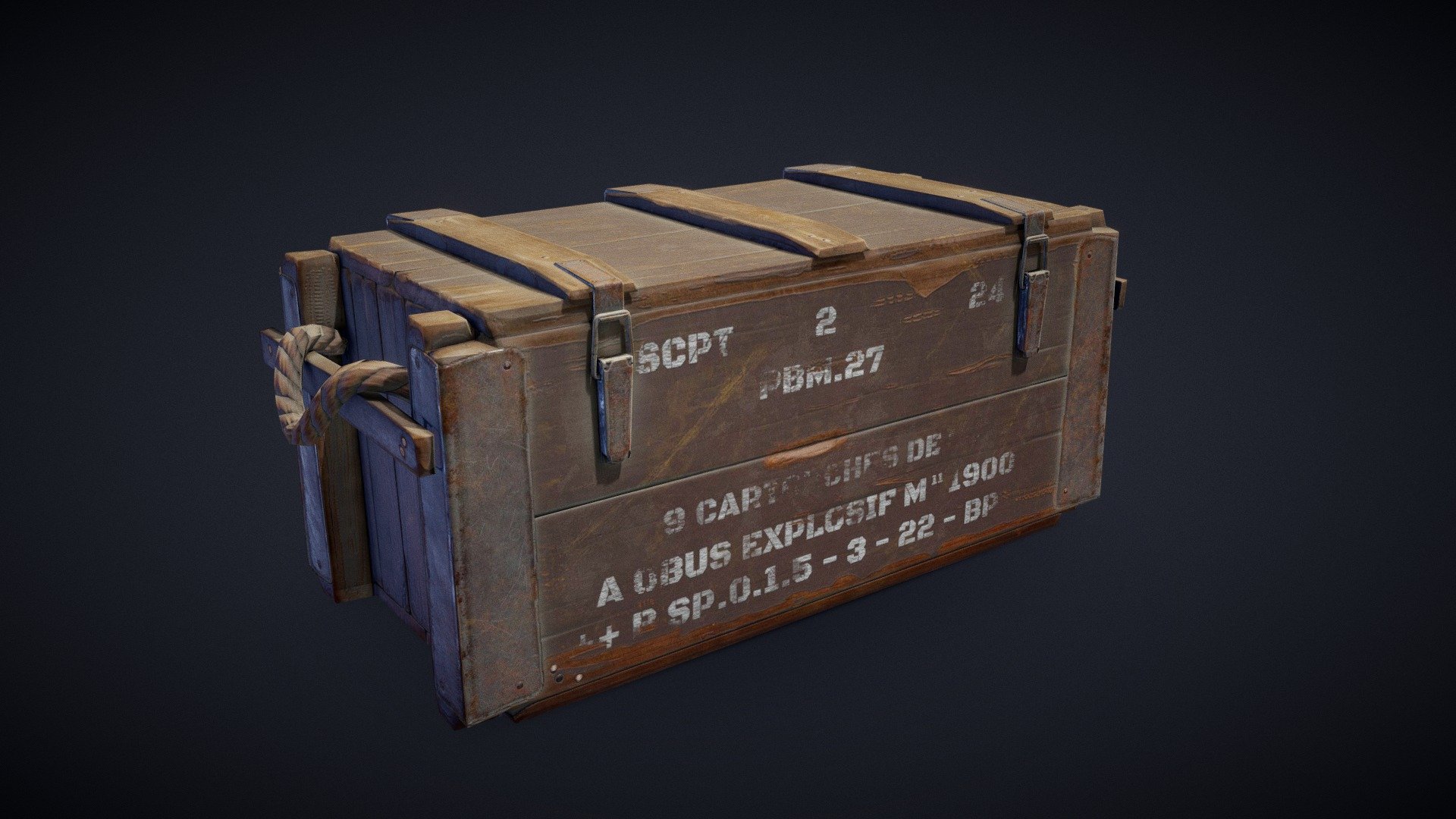
When your bulk ammo arrives, immediately divide it by mission, not by box count. Start by physically separating rounds for defensive reloads—these should be premium hollow points stored in a quick-access safe, while your range practice ammo (often cheaper FMJ) goes into sealed ammo cans with desiccant packs for long-term rotation. For hunting, set aside a separate, scent-neutral container with your specific grain weight and bullet profile. Label each cache with the date and firearm it feeds. A simple inventory note on the lid prevents cross-contamination and ensures you never dip into your defense stash for 7mm WSM Ammo for Sale plinking.
- Use color-coded lids or tape: red for defense, green for range, orange for hunting.
- Store caches in different locations (garage, bedroom, vehicle) based on access speed.
- Always cycle the oldest rounds from each cache first to keep stock fresh.
Grains and Bullet Weight: Why One Bulk Load Won’t Fit Every Gun
Bulk ammo deals Handgun Ammo for Sale often lock you into a single projectile weight, but that one grain count is a compromise. A 115-grain 9mm load cycles smoothly in a competition pistol with a light recoil spring, yet the same round may fail to lock the slide on a compact defensive gun designed for 124-grain NATO-pressure loads. Heavier bullets, like 147-grain subsonics, produce different recoil impulse and dwell time, which can alter timing in a tuned action. Conversely, a lightweight 55-grain .223 that prints tight groups from a 1:12 twist barrel will keyhole or lose stability in a 1:7 twist. Bulk ammunition grain selection must align with your firearm’s twist rate, barrel length, and spring dynamics, not just price per round.
Q: Can I shoot a 147-grain bulk load in a gun tuned for 115-grain?
Yes, but expect erratic ejection, failure to feed, or accelerated wear if the action’s dwell time and recoil spring are mismatched to the heavier bullet’s momentum.